The Influence of Colour Theory on Children's Emotional Wellbeing

Colour is more than just a visual experience; it plays a crucial role in shaping our emotions and behaviours. For children, who are particularly sensitive to their surroundings, the colours they encounter can deeply influence their mood and emotional health. By understanding colour theory, parents can create spaces that nurture positive experiences for their children.
Understanding Colour Theory
Colour theory explains how colours interact and how they can influence emotions. It categorizes colours into three main groups: primary, secondary, and tertiary colours. Each colour evokes different feelings that can be used to create emotionally supportive environments.
For instance, warm colours like red, orange, and yellow are often linked to energy and happiness. In a study, researchers found that areas decorated with warm colours can increase excitement and even boost creativity by up to 20%. On the flip side, cool colours such as blue, green, and purple are associated with calmness and tranquillity. By understanding these associations, parents can make better choices about the colours they use in their children's rooms, play areas, and clothing.
The Psychological Impact of Colours
Research shows that colours can significantly impact mood and behaviour. For example, exposure to blue light can enhance concentration and promote calmness, making it ideal for study areas. In fact, a study by the University of Oxford found that children studying in blue environments scored 20% higher in their tasks than those in neutral settings. Conversely, bright reds can elevate energy levels and excitement, making them suitable for play areas but possibly overwhelming if overused.
Understanding these effects helps parents tailor children's environments to their emotional needs. A child dealing with anxiety may thrive in a bedroom painted in soothing shades of blue or green. A bright and energetic environment with vibrant yellows and oranges might benefit a child in need of motivation to be active.
Colour in Children's Development
Children's emotional development closely ties to their sensory experiences, with colour being a key component. Bright, engaging colours can spark creativity and imagination, encouraging children to explore. Research suggests that children exposed to colourful environments may be up to 25% more imaginative when participating in creative activities compared to those in muted spaces. In contrast, darker colours may lead to feelings of sadness or lethargy.
Parents can strategically use colour to support developmental milestones. For instance, during playtime, colourful toys and materials can enhance cognitive development and fine motor skills. Meanwhile, utilizing softer colours during bedtime routines can signal that it’s time to wind down.

Creating Colourful Spaces
When designing spaces for children, it’s essential to consider both the colours used and how they are applied. Here are some practical tips to create emotionally supportive environments:
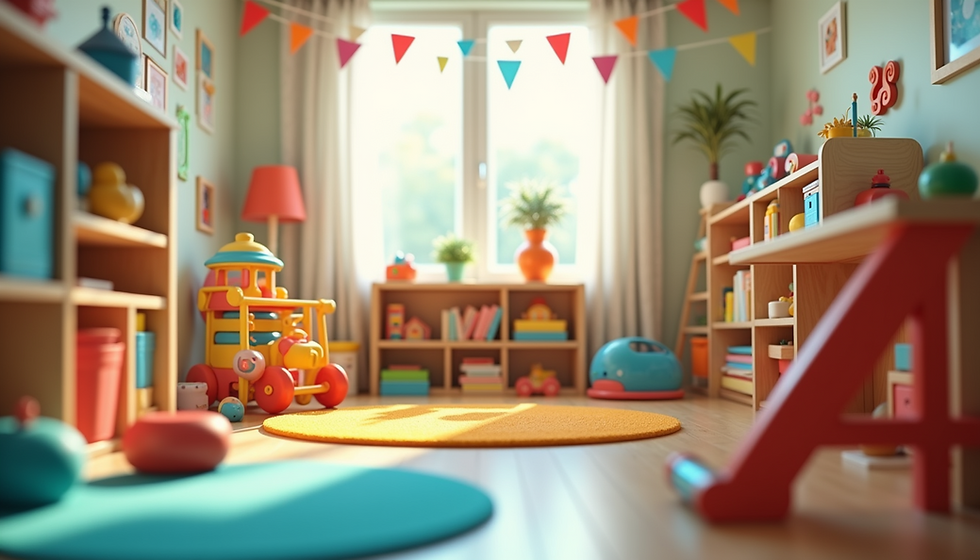
Balance Warm and Cool Colours: A mix of warm and cool colours fosters a balanced atmosphere. For example, a playroom can feature bright yellow accents to promote energy, while main walls are painted in calming shades of blue.
Incorporate Nature: Natural colours like greens and browns create a sense of peace and connection to the outdoors. Integrating houseplants or nature-themed decor can enhance this calming effect.
Use Colour Psychology in Decor: Decor items can convey the desired emotional response. Cheerful artwork can lift spirits, while serene landscapes can invite relaxation.
Involve Children in Colour Choices: Letting children choose colours for their spaces empowers them and fosters comfort. This engagement supports their self-expression.
The Role of Colour in Learning
Colour shapes children's learning experiences, too. Research suggests that color-coded materials improve memory retention and comprehension. For example, using different colours for various subjects can help children organize their thoughts and enhance focus. A study from Stanford University found that color-coded materials led to a 15% increase in information retention.
Colourful visuals in educational materials make learning more engaging. Parents can stimulate a love for learning by introducing colourful books, art supplies, and educational games into their children's routines.

Final Thoughts
The influence of colour theory on children's emotional wellbeing is profound. By understanding how different colours can affect mood and behaviour, parents can create nurturing environments that support their children's emotional and developmental needs.
From selecting the right colours for rooms and play areas to using vibrant educational materials, the thoughtful use of colour can enhance children's experiences and promote positive emotional health. As caregivers, being mindful of the colours surrounding children can lead to happier, healthier, and more emotionally balanced lives. In a world filled with colour, unlocking its power can be a simple yet effective means to support our children's growth and wellbeing.